

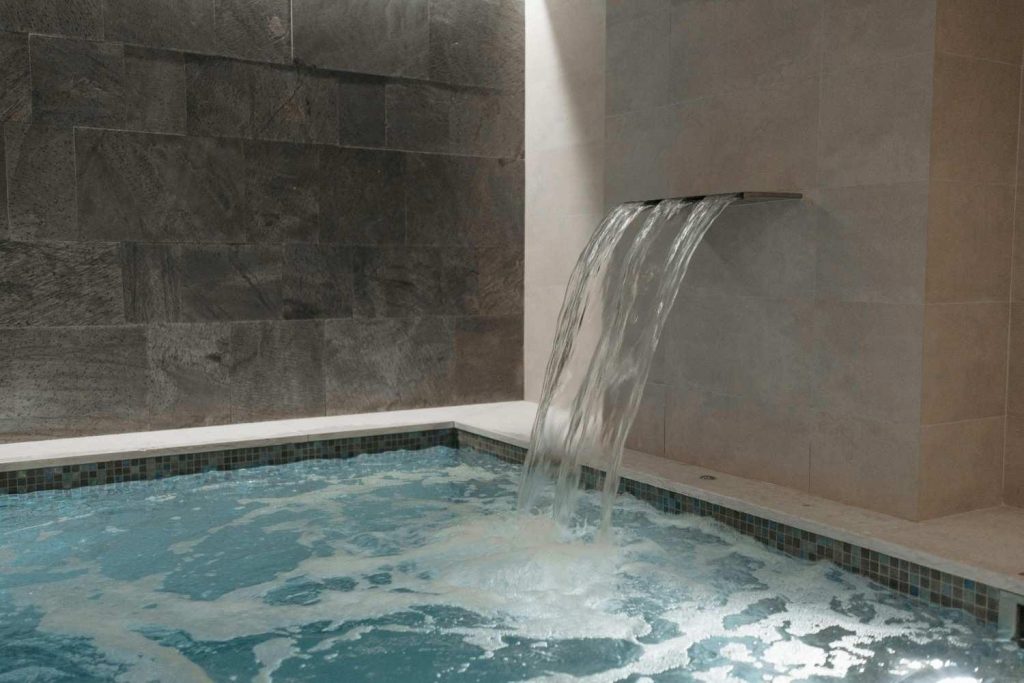
Water has always held a special place in human environments, symbolizing calm, movement, life, and connection with nature. Whether it flows gently or cascades dramatically, water instantly elevates the atmosphere of a space. This is why more homeowners, businesses, hospitality establishments, and urban developers are investing in thoughtfully designed installations supported by professional water feature services. These additions are no longer seen as mere aesthetics; today, they serve functional, emotional, and architectural purposes, contributing to ambiance, comfort, and identity in both residential and commercial settings.
Why Water Features Appeal to Modern Spaces
Human affinity toward water is deeply rooted. Historically, civilizations flourished around water bodies. Today, that same attraction continues in how people gravitate toward waterfronts, lakeside views, and serene fountains in public places. In living environments and workplaces, water brings a soothing rhythm that helps reduce stress and creates a visually engaging atmosphere. Hotels install grand fountains to create luxurious first impressions. Corporate environments incorporate calming water designs to support productivity and well-being. Homes adopt garden fountains or streams to build relaxation spaces that blend nature with architecture.
Beyond emotional wellness, water features enhance space value. Well-designed installations improve landscape character, offer focal points in design, and support lifestyle enhancement.
Types of Water Features for Residential and Commercial Environments
Pot and Decorative Fountains
Compact and visually inviting, these features are ideal for patios, courtyards, balconies, and reception areas. They are aesthetically versatile, available in ceramic, metal, stone, or textured finishes, and deliver gentle sound effects without demanding large space or complex setups.
Self-Contained Column Features
Common in gardens, corporate landscapes, and hotel entrances, these are visually striking units where water flows down sculpted stone or structural forms. They offer sophistication while being easy to maintain due to built-in basins and recirculation systems.
Pondless Streams and Cascades
Designed mainly for villas, parks, and resorts, these systems create the illusion of natural streams without standing water. The water circulates through concealed reservoirs, making them family-friendly, safer, and attractive for nature-themed landscapes.
Garden Ponds and Courtyard Lakes
Ideal for larger estates, community parks, luxury villas, and resort landscapes, ponds introduce life, supporting aquatic plants and fish, and create immersive natural environments. Though they demand careful planning and maintenance, they dramatically transform spatial experience.
Waterfalls and Weirs
Wall-mounted sheets of flowing water and architectural weirs add a modern and dramatic touch to both interiors and exteriors. Frequently used in hotels, malls, corporate interiors, villa courtyards, and urban plazas, they emphasize movement and elegance.
Water Walls
These contemporary installations are popular in luxury homes, commercial halls, restaurants, and wellness spaces. They create a refined visual while contributing soothing acoustic effects, although they may require regular water replenishment due to evaporation.
Benefits of Integrating Water Features
Water features serve multiple roles beyond decoration:
- Emotional and Wellness Benefits: Flowing water promotes tranquility, reduces stress, and encourages mindfulness.
- Environmental Enhancement: They help cool surroundings, contribute to microclimate improvement, and attract birds and beneficial wildlife.
- Property Value and Prestige: Well-designed installations elevate aesthetic appeal, enhance landscape depth, and positively influence perceived space value.
- Lifestyle Improvement: They encourage outdoor engagement, add character to living environments, and create memorable visual identities in commercial areas.
Designing Thoughtful Installations
Modern trends emphasize custom water features because every space has unique structural limitations, architectural language, and user expectations. A well-planned installation considers:
- Space availability and proportion: Ensuring the water feature matches the size of the area prevents crowding or imbalance. Proper proportion helps the feature blend naturally with the space.
- Safety considerations: Designing with slip-resistant materials, secure electrical components, and safe water depth ensures user safety, especially in public or family environments.
- Architectural harmony with surroundings: The water feature should complement the building style, landscaping theme, and overall design language to create a unified visual experience.
- Sound intensity and water movement type: Choosing the right water flow determines whether the feature provides a calm, soothing ambiance or a bold, dramatic effect.
- Maintenance accessibility: Easy access to pumps, filters, and internal components ensures smooth cleaning, repairs, and long-term functionality.
- Lighting integration for night appeal: Thoughtful lighting enhances visibility, creates mood, and highlights water textures, making the feature attractive even after dark.
- Sustainability and water recirculation mechanisms: Recirculating systems conserve water while eco-friendly designs reduce waste, promote efficiency, and support long-term sustainability.
Maintenance Considerations
A water feature thrives when looked after properly. Routine care ensures visual clarity, smooth mechanical function, and hygienic water conditions. Essential maintenance practices include:
- Regular water level checks to compensate for evaporation
- Cleaning pumps and filtration systems
- Removing debris to prevent clogging
- Treating water to prevent algae growth
- Winter protection and climate-based adjustments where applicable
- Periodic inspection of electrical and structural components
Water Features in Commercial vs Residential Settings
Residential Settings
Home installations often focus on relaxation, leisure, and personal enjoyment. Families appreciate compact fountains, wall features, ponds, or small cascading streams that enhance garden comfort and private outdoor retreats. Lighting, low-noise systems, and child-safe options often become priority considerations.
Commercial and Public Spaces
In commercial environments, water features serve branding, aesthetics, crowd engagement, and environmental enhancement. Malls, resorts, hotels, business complexes, and urban parks often incorporate dramatic waterfalls, interactive fountains, architectural cascades, reflective pools, or plaza ponds to create identity and ambiance. Durability, safety compliance, and functionality under high foot-traffic conditions are key considerations.
Conclusion
Water feature design in residential and commercial spaces beautifully blends art, engineering, and emotional experience. These installations create calming environments, shape identity, and bring nature closer to modern architecture. With thoughtful planning, creative execution, and reliable maintenance, water features can transform ordinary spaces into soothing, refreshing, and meaningful environments. Whether it’s a serene garden installation at home or an impressive central attraction in a commercial setting, integrating moving water into design continues to remain timelessly appealing. And when projects also consider supportive services like pool construction service, they add yet another layer of leisure and functional luxury to built environments.
For anyone interested in thoughtfully designed landscapes, water features, or outdoor enhancements, The Gardenian stands out as a knowledgeable partner many people trust for creative planning, sustainable practices, and well-executed outdoor environments. Their experience in landscaping, design execution, and continued maintenance reflects an understanding of how carefully designed spaces can enrich everyday living.