

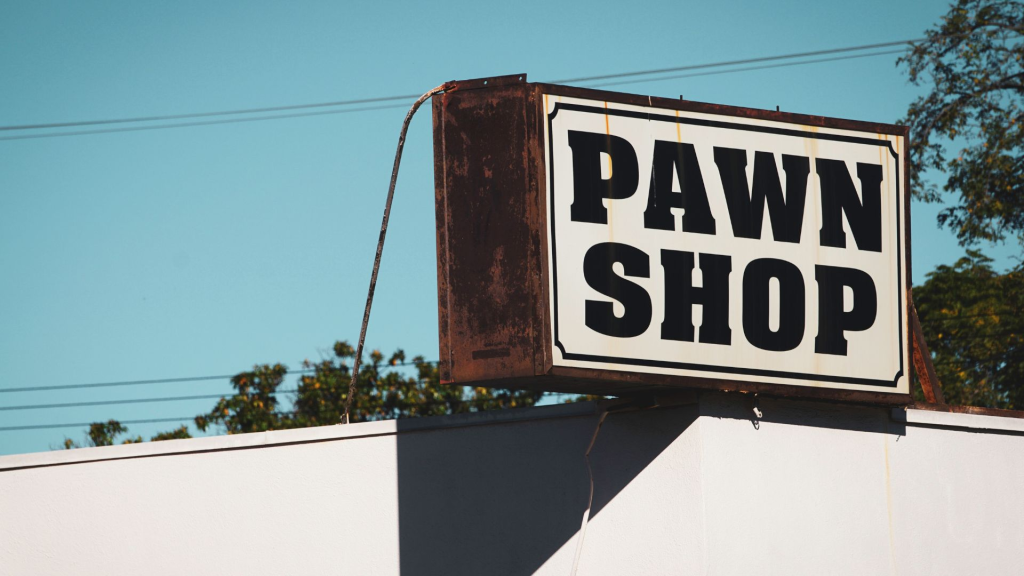
Starting a pawn shop can be a strong business opportunity in 2026, especially in a large and growing market like Texas. Many entrepreneurs search for how to open a pawn shop in Texas because pawn shops continue to thrive by offering short-term loans, buying used goods, and selling valuable items at a profit. This industry is built on trust, compliance, and smart financial decision-making, which makes it both challenging and rewarding for new business owners.
Before you begin, it is important to understand that opening a pawn shop is not just about buying and selling items. It involves strict licensing rules, state regulations, security systems, and customer service skills. If you want to succeed, you must learn the legal process, startup costs, location strategy, and operational systems. This guide will walk you through everything you need to know in a simple and practical way.
Understanding the Pawn Industry in Texas
The pawn industry in Texas is one of the most regulated and structured in the United States. When people search for how to open a pawn shop in Texas, they are usually surprised to learn that pawn shops are treated as financial institutions because they offer collateral-based loans. Customers bring in items like jewelry, electronics, or tools, and receive cash loans based on the value of those items.
In Texas, pawn shops are heavily monitored to prevent theft and fraud. The Texas Department of Banking oversees licensing, reporting, and compliance rules. This ensures that every pawn broker follows legal standards and maintains accurate records of transactions. Understanding this system is the first step toward building a legitimate and profitable pawn business in 2026.
Pawn shops also rely on two main income sources: interest on loans and resale of unclaimed items. This dual revenue model makes the business stable if managed correctly. However, success depends on knowing your market, pricing items correctly, and maintaining strong customer relationships.
Legal Requirements and Texas Pawn Shop License
One of the most important steps in learning how to open a pawn shop in Texas is understanding the legal licensing process. In Texas, you must apply for a pawn shop license through the Texas Office of Consumer Credit Commissioner or the Texas Department of Banking, depending on your business structure. Without this license, you cannot legally operate.
Applicants must meet strict requirements, including background checks, financial disclosures, and business experience. You may also need to provide a surety bond, which protects customers and ensures compliance with state laws. This bond acts as a financial guarantee that your business will operate ethically.
In addition, pawn shops must follow reporting rules for every transaction. This includes documenting customer identification, item descriptions, and loan details. These records help law enforcement track stolen goods and ensure transparency in the industry.
Understanding these legal steps early will save you time and money. Many new entrepreneurs fail because they underestimate licensing requirements. If you want to succeed, treat compliance as a foundation of your business, not an afterthought.
Capital, Startup Costs, and Funding Your Pawn Shop
When researching how to open a pawn shop in Texas, one of the biggest concerns is startup capital. Opening a pawn shop requires more investment than many small businesses because you need cash flow for loans, store setup, security systems, and inventory purchasing. On average, startup costs can range from moderate to high depending on location and size.
Your initial capital will cover lease deposits, store renovations, surveillance systems, safes, and point-of-sale software. You will also need working capital to issue loans to customers. Without enough cash flow, your pawn shop will struggle to operate effectively in the first few months.
Many entrepreneurs use a combination of personal savings, small business loans, or private investors to fund their pawn shops. Some also partner with experienced operators to reduce risk. Having strong financial planning is essential because your business success depends on liquidity and smart money management.
In 2026, digital tools and modern pawn software also add to startup costs, but they improve efficiency and security. Investing in the right systems from the beginning helps you avoid losses and build a scalable business.
Choosing Location and Setting Up Your Store
Location plays a major role in success when learning how to open a pawn shop in Texas. A good location should have high foot traffic, easy accessibility, and strong demand for short-term loans. Urban and suburban areas often perform better because they attract more customers with diverse financial needs.
You should also study the local competition before choosing a site. If there are already several pawn shops nearby, you need a unique selling point, such as better pricing, better customer service, or specialized inventory like electronics or tools. Visibility and security should also be top priorities when selecting a storefront.
Setting up your store requires careful planning. You need secure display cases, reinforced storage areas, surveillance cameras, and alarm systems. Pawn shops must protect both inventory and loaned items, so security investment is not optional.
Inside the store, organization matters. A clean, well-lit, and professional environment builds trust with customers. In 2026, modern pawn shops will also use digital inventory systems to track items and manage loans more efficiently, improving both speed and accuracy.
Inventory, Appraisal Skills, and Loan Practices
A key part of how to open a pawn shop in Texas is learning how to evaluate items correctly. Pawn shops deal with a wide range of goods, including jewelry, electronics, musical instruments, and luxury items. Knowing how to assess value accurately is essential for profitability.
Appraisal skills help you determine how much money to lend customers. Typically, pawn shops lend 30% to 60% of an item’s resale value. This protects your business while giving customers fair access to cash. Incorrect valuation can lead to losses or overpaying for items that do not sell.
Inventory management is also critical. Items that are not redeemed become part of your resale stock. You must organize, price, and display these items effectively to maximize profit. Experienced pawn brokers often develop strong negotiation skills to ensure fair deals for both parties.
Loan practices should always follow Texas regulations. Clear contracts, interest rate transparency, and proper documentation are essential. Building trust with customers leads to repeat business and long-term success.
Compliance, Marketing, and Growing Your Pawn Business in 2026
Compliance remains a continuous responsibility when learning how to open a pawn shop in Texas. Even after opening your business, you must regularly report transactions, maintain records, and follow state audits. Staying compliant protects your license and reputation.
Marketing is equally important in 2026. Many pawn shops now use digital marketing, including Google Business profiles, social media ads, and local SEO strategies. Customers often search online before visiting a store, so having a strong digital presence increases visibility and trust.
Customer service also plays a major role in growth. Friendly staff, fair loan terms, and transparent pricing help build long-term relationships. Word-of-mouth referrals are still one of the strongest marketing tools in this industry.
As your business grows, you can expand into multiple locations or add services like check cashing or retail resale. Diversifying income streams makes your pawn shop more stable and profitable over time.
Conclusion
Learning how to open a pawn shop in Texas requires careful planning, legal understanding, and strong financial discipline. This business is not just about buying and selling goods—it is about managing loans, following regulations, and building customer trust in a competitive market.
If you take the right steps, from licensing and funding to location selection and marketing, you can build a successful and profitable pawn shop in 2026. With the right strategy and commitment, this industry offers long-term stability and strong earning potential for serious entrepreneurs.
