

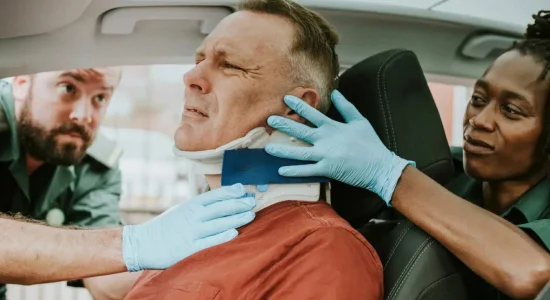
Pedestrian accidents can happen in seconds, but the injuries and financial problems that follow can last for years. A person walking across a street, using a crosswalk, or traveling near a busy roadway can suffer serious harm when a driver fails to pay attention, speeds, turns without checking, or ignores traffic signals. In Las Vegas, heavy traffic, crowded tourist areas, large intersections, and nighttime driving can create added risks for pedestrians.
After a crash, victims often have questions about medical bills, lost income, insurance claims, and their legal rights. Working with a Las Vegas pedestrian accident attorney can help an injured person understand these issues and determine what legal options may be available. An attorney can investigate the accident, gather evidence, communicate with insurance companies, and pursue compensation when another party is legally responsible.
Nevada law gives pedestrians important protections, but pedestrians also have duties when crossing roads. For example, state law generally requires drivers to exercise due care to avoid collisions with pedestrians and gives pedestrians the right of way in certain crosswalk situations. At the same time, pedestrians may have to yield when crossing outside permitted areas. Understanding these rules can be important when determining who was responsible for an accident.
Why Pedestrian Accidents in Las Vegas Can Be Serious
Las Vegas is known for busy roads, major intersections, entertainment districts, hotels, casinos, shopping centers, and large numbers of visitors. These conditions can create a complicated environment for people traveling on foot. A pedestrian may be crossing a street near a hotel, walking through a parking area, using a marked crosswalk, or traveling along a sidewalk when a vehicle suddenly enters the pedestrian’s path.
Pedestrians have very little physical protection when compared with people inside cars. Even a vehicle traveling at a moderate speed can cause broken bones, head injuries, spinal injuries, internal injuries, or other serious trauma. A severe pedestrian collision may require emergency treatment, surgery, rehabilitation, medication, and long-term care. In the most tragic cases, a pedestrian accident can result in permanent disability or death.
Driver behavior is one of the most common factors in pedestrian crashes. Distracted driving, speeding, impaired driving, failure to yield, unsafe turns, running red lights, and failing to look for pedestrians can all contribute to collisions. Poor visibility can also make an accident more likely, especially at night or in areas with heavy traffic.
Nevada law requires drivers to exercise due care to avoid collisions with pedestrians and to use proper caution when they observe a pedestrian on or near a roadway, at certain transit locations, in school zones, or in marked or unmarked crosswalks. These legal duties can become important evidence in a pedestrian injury claim.
However, determining responsibility is not always simple. A driver may argue that the pedestrian suddenly entered the road. An insurance company may claim that the victim was partly responsible. There may also be questions about traffic signals, road design, lighting, visibility, vehicle speed, or the actions of other drivers.
This is one reason an injured person may benefit from speaking with a Las Vegas pedestrian accident attorney before accepting an insurance settlement. The first offer from an insurer may not fully reflect the victim’s current and future losses.
Pedestrian accidents can also create losses that are not immediately obvious. A person may initially believe the injuries are minor but later discover that pain, reduced mobility, or psychological effects make it difficult to return to normal activities. Medical treatment may continue for months or longer.
A pedestrian injury claim may involve compensation for medical expenses, lost wages, reduced earning ability, physical pain, emotional suffering, rehabilitation costs, and other damages depending on the facts of the case. The value of a claim depends on many factors, including the severity of the injuries, available insurance coverage, liability, medical evidence, and the victim’s long-term needs.
How a Las Vegas Pedestrian Accident Attorney Can Help
After a pedestrian crash, an attorney’s first priority is usually understanding how the accident happened and identifying the parties who may be legally responsible. This can involve reviewing police reports, medical records, photographs, witness statements, traffic information, surveillance footage, and other evidence.
Evidence can disappear quickly. Security camera recordings may be overwritten, vehicles may be repaired, witnesses may become difficult to locate, and memories can fade. A lawyer handling a pedestrian accident claim may take steps to preserve important information while it is still available.
Accident reconstruction may also be useful in more complicated cases. An investigation can examine vehicle positions, traffic signals, skid marks, lighting, roadway conditions, visibility, and other physical evidence. In serious cases, experts may help explain the speed and movement of a vehicle before impact.
A Las Vegas pedestrian accident attorney can also handle communication with insurance companies. Insurance adjusters often ask questions about an accident, medical treatment, injuries, and prior health history. While these questions may appear routine, statements made during the claims process can sometimes affect how an insurer evaluates liability or damages.
An attorney can help ensure that important information is presented accurately and that a victim does not unintentionally minimize the seriousness of an injury. This does not mean every pedestrian accident requires a lawsuit. Many injury claims are resolved through negotiations. However, having legal representation can provide a clearer understanding of the available choices.
Another important part of the process is calculating damages. Medical bills are only one part of a potential injury claim. If an injured pedestrian cannot work, lost income may become significant. If an injury affects future employment, earning capacity may also need to be considered.
Long-term medical treatment can create additional costs. Physical therapy, follow-up appointments, medications, assistive devices, and future procedures may all affect the financial impact of an accident. An attorney may review medical evidence and work with appropriate professionals to understand the likely future effects of an injury.
Pain and emotional distress can also be important. A serious pedestrian crash can affect sleep, mobility, independence, relationships, and daily activities. The legal system may allow certain non-economic damages, depending on the circumstances.
If a pedestrian dies because of a crash, surviving family members may have separate legal rights. Wrongful death claims can involve different rules and damages from an ordinary personal injury claim. Because these cases can be legally complex, families should seek advice based on their specific circumstances.
Nevada Pedestrian Laws and Determining Fault
Understanding Nevada pedestrian laws is an important part of evaluating an accident claim. State law addresses when drivers must yield and when pedestrians must yield. Under Nevada law, when traffic-control devices are not controlling the situation, drivers generally must yield to pedestrians crossing within a crosswalk under the circumstances described by the statute. The law also places restrictions on pedestrians suddenly entering the path of a vehicle that is too close for the driver to yield safely.
Nevada law also addresses pedestrians crossing outside crosswalks. In certain circumstances, a pedestrian crossing a highway outside a marked crosswalk or an unmarked crosswalk at an intersection must yield to vehicles. The statute also contains rules concerning pedestrian tunnels, overhead crossings, intersections, and diagonal crossings.
These rules show why fault should not be assumed simply because a vehicle struck a pedestrian. At the same time, the fact that a pedestrian may have made a mistake does not automatically mean the driver has no responsibility.
Nevada follows a comparative negligence system. Under NRS 41.141, a plaintiff’s negligence does not automatically prevent recovery when the plaintiff’s negligence is not greater than the negligence of the parties against whom recovery is sought. If the plaintiff’s negligence is greater than the defendant’s negligence or combined negligence, recovery may be barred under the statute.
This means a pedestrian accident claim can involve a detailed examination of everyone’s conduct. For example, a driver might have been speeding while a pedestrian was crossing in a location where additional caution was required. Both facts could matter when determining liability.
Evidence can therefore become extremely important. Photos of the accident scene may show the location of the pedestrian, traffic signs, crosswalk markings, lighting, vehicle damage, and road conditions. Witnesses may provide information about the driver’s speed or whether the pedestrian had entered the crosswalk.
Traffic camera footage or business surveillance video can sometimes provide especially valuable evidence. Las Vegas has many businesses and properties with security cameras, although access to recordings may depend on the location, retention period, and legal circumstances.
Police reports can also provide useful information, but they are not necessarily the final word on civil liability. A personal injury claim may require additional evidence and a broader investigation.
The driver’s conduct may be particularly important. Evidence of distracted driving, speeding, impairment, failure to yield, or disobeying a traffic signal can strengthen a pedestrian injury claim when properly established.
Road conditions can also matter. Poor lighting, confusing signs, damaged sidewalks, construction, or other hazards may raise questions about whether another party contributed to the accident. In some situations, more than one person or organization may potentially be responsible.
Because pedestrian accident cases can involve multiple sources of evidence, victims should avoid making assumptions about fault before the facts are fully investigated.
What to Do After a Las Vegas Pedestrian Accident
The steps taken immediately after a pedestrian accident can affect both health and a potential legal claim. The first priority should always be safety and medical care. Serious injuries may not always be obvious immediately after a collision, especially when adrenaline temporarily masks pain.
If emergency medical treatment is recommended, it is important to follow medical instructions and attend follow-up appointments. Medical records can document the nature of the injuries, treatment provided, and progress over time. Delays or gaps in treatment may also create questions during an insurance claim.
When possible, victims or someone assisting them should document the accident scene. Photographs can capture the roadway, crosswalk, traffic signals, lighting, vehicle position, visible injuries, property damage, and surrounding conditions. If the victim cannot take photographs because of their injuries, another person may be able to help.
Witness contact information can also be valuable. Independent witnesses may be able to describe what they saw before, during, or immediately after the collision. Their statements can become more difficult to obtain as time passes.
It is also important to keep records related to the accident. Medical bills, treatment records, prescription expenses, transportation costs, wage information, and other documents can help demonstrate the financial impact of the crash.
Victims should be cautious when discussing their injuries publicly, including on social media. Insurance companies may review publicly available information when evaluating claims. A photograph or post that appears harmless could potentially be taken out of context.
Communication with insurance companies should also be handled carefully. An insurance adjuster may contact the injured pedestrian soon after the accident. The victim does not have to assume that the insurer’s initial settlement offer represents the full value of the claim.
Speaking with a Las Vegas pedestrian accident attorney can help a victim understand the claim before making major decisions. An attorney can review the available evidence, explain possible compensation, and discuss whether settlement negotiations or litigation may be appropriate.
Time limits are another important consideration. Nevada’s limitation laws contain different deadlines depending on the type of legal claim, so an injured person should not assume there is one deadline for every pedestrian accident case. Nevada’s statutes specifically set limitation periods for different categories of actions. Claims involving government entities or other special circumstances may also involve additional requirements or deadlines.
For that reason, waiting until the last minute can create unnecessary risk. Early legal advice can help identify the correct deadline and preserve evidence.
Choosing an attorney is also an important decision. A person searching for a Las Vegas pedestrian accident attorney should consider whether the lawyer has experience with personal injury claims, understands Nevada negligence law, communicates clearly, and has the resources to investigate serious cases.
A consultation can also help clarify whether the attorney believes the case has a reasonable basis. During that discussion, the victim can explain what happened, describe the injuries, provide available documents, and ask questions about the claims process.
No attorney can guarantee a specific settlement or outcome. The value of a pedestrian accident claim depends on the facts and evidence. A trustworthy lawyer should explain both the strengths and potential challenges of the case.
Understanding Your Legal Options After a Pedestrian Crash
After a Las Vegas pedestrian accident, an injured person may have several possible legal paths. One option is to pursue an insurance claim and attempt to negotiate a fair settlement. This approach may resolve a case without going to trial when the parties can reach an agreement.
Settlement negotiations can involve liability, medical expenses, lost income, future damages, pain and suffering, and other losses. The goal is generally to reach an amount that reasonably reflects the damages supported by the evidence.
If negotiations do not produce a fair result, filing a personal injury lawsuit may be another option. Litigation can involve formal discovery, depositions, expert testimony, motions, settlement discussions, and potentially a trial. The exact process depends on the circumstances.
A lawsuit is not necessarily the goal of every injury claim. In many situations, the possibility of litigation provides leverage during negotiations. However, whether litigation is appropriate depends on factors such as the strength of the evidence, the severity of the injuries, available insurance coverage, disputed liability, and the amount of damages.
In some accidents, identifying all responsible parties can also be important. The driver may be the primary defendant, but other circumstances could potentially create additional legal questions. For example, a case involving a commercial vehicle may require an examination of the driver’s employment and insurance relationships. A roadway defect may raise different issues from a standard driver negligence claim.
The same principle applies to accidents involving rideshare vehicles, delivery drivers, taxis, buses, or other commercial transportation. The applicable insurance policies and legal rules can vary depending on the circumstances.
Insurance coverage can be another major issue. The amount available to compensate an injured pedestrian may depend on the driver’s policy, other applicable coverage, and the facts of the claim. Determining available coverage can be especially important when injuries are severe and medical expenses are high.
Victims should also understand that compensation is not simply about receiving money quickly. A settlement may resolve the claim permanently. Once a settlement is accepted and legally finalized, the victim may lose the ability to seek additional compensation for the same accident. This makes it important to understand current and future losses before agreeing to a final settlement.
A qualified Las Vegas pedestrian accident attorney can review the circumstances and explain these choices in plain language. The attorney can also help protect the victim’s legal interests while negotiations are underway.
Ultimately, the best legal strategy depends on the individual case. A minor injury with clear liability may be handled differently from a catastrophic injury involving disputed fault and significant future medical needs. There is no single approach that fits every pedestrian accident.
The most important step is to gather reliable evidence and understand your rights before making major decisions. Prompt medical care, careful documentation, timely legal advice, and informed communication with insurers can all help protect a victim’s interests.
Conclusion
A pedestrian accident can change a person’s life in an instant. Serious injuries may lead to medical bills, missed work, emotional stress, and long-term physical challenges. When a driver’s negligence contributes to the crash, an injured pedestrian may have the right to seek compensation under Nevada law.
A Las Vegas pedestrian accident attorney can help investigate the collision, explain Nevada pedestrian laws, assess comparative negligence issues, communicate with insurers, calculate damages, and pursue a settlement or lawsuit when appropriate. Nevada law provides specific rules concerning pedestrian right of way and comparative negligence, making the facts of each accident especially important.
If you or someone close to you has been injured in a Las Vegas pedestrian crash, consider obtaining legal advice as soon as reasonably possible. Preserving evidence and understanding applicable deadlines can make a meaningful difference. Most importantly, focus first on medical care and recovery while taking informed steps to protect your legal rights.
