

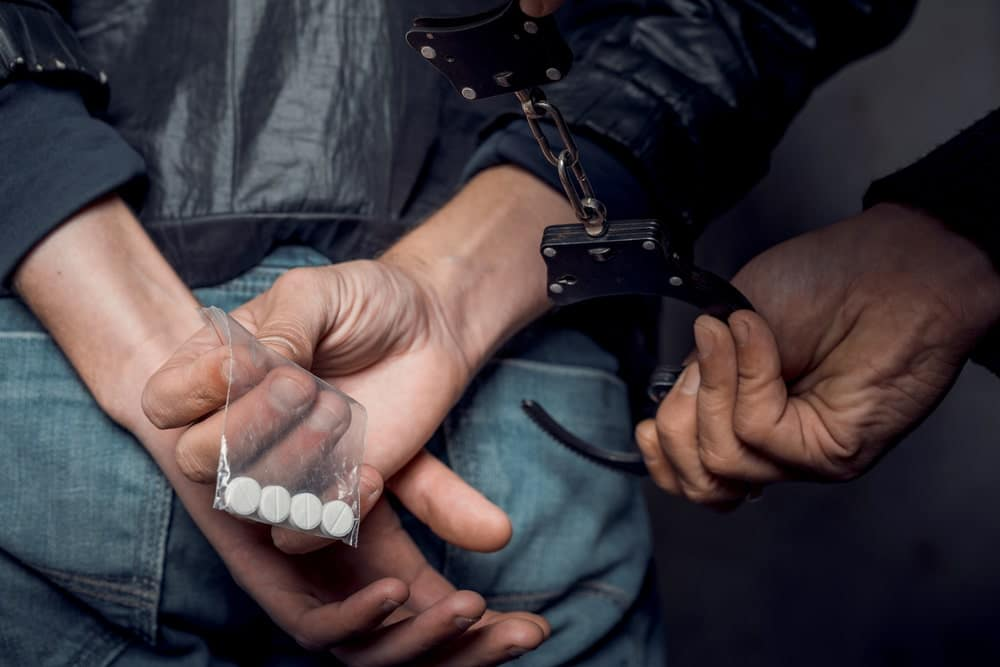
Facing drug charges can be stressful, confusing, and frightening. A person accused of a drug offence may worry about jail time, fines, a criminal record, employment, travel, family responsibilities, and their future. Even a charge that seems minor can have serious consequences. Understanding your rights and getting proper legal guidance early can make a major difference.
An Ottawa Criminal Lawyer can help you understand the charge against you, review the evidence, explain your legal options, and build a defence based on the facts of your case. Canadian drug laws can be complex, and the outcome of a case often depends on details such as how police obtained evidence, what was found, where it was found, and what the Crown can prove in court.
Drug offences can involve possession, possession for the purpose of trafficking, trafficking, importing or exporting controlled substances, production, or other offences under Canadian law. Each offence has different legal elements and possible penalties. A strong defence begins with understanding exactly what the prosecution must prove.
Understanding Drug Charges in Ottawa
Drug charges in Ottawa are generally handled under Canada’s federal criminal law framework. The Controlled Drugs and Substances Act sets out many offences involving controlled substances. However, the law is not simply about whether police found a substance. The prosecution must prove the required elements of the offence beyond a reasonable doubt.
Drug possession is one of the charges people may face after police allegedly find a controlled substance in their possession. Possession itself can involve more than physically holding something. Legal questions can include whether the accused knew about the substance, whether they had control over it, and whether the prosecution can connect the accused to the item.
This is why the circumstances surrounding an arrest are important. A substance may be found in a vehicle, home, bag, or shared space. The presence of an illegal substance does not automatically answer every legal question about possession. An Ottawa Criminal Lawyer can examine the evidence and determine whether the Crown has enough proof to establish the offence.
More serious allegations can include possession for the purpose of trafficking. This charge is different from simple possession because the prosecution may attempt to show that the accused intended to sell, distribute, or otherwise traffic the substance. Police may rely on evidence such as the quantity of a substance, packaging, cash, communications, or other surrounding circumstances. However, every case must be assessed on its own facts.
Drug trafficking charges can carry significant consequences. A conviction may affect employment, professional licensing, immigration matters, travel, and personal relationships. Depending on the circumstances, the court may consider serious penalties. The exact outcome depends on the offence, the substance involved, the evidence, the accused’s circumstances, and other factors.
Drug production can also result in serious criminal proceedings. Allegations involving the production of controlled substances may involve complex evidence, searches, property, equipment, and expert testimony. In such cases, careful review of the police investigation can be especially important.
Importing or exporting controlled substances is another serious category of drug offence. These allegations may involve border enforcement, packages, vehicles, financial records, communications, and other forms of evidence. The legal issues can become complicated quickly, particularly when multiple agencies or large amounts of evidence are involved.
Because drug laws and criminal procedures are complex, anyone facing a drug charge should avoid assuming that the police version of events tells the whole story. The prosecution must prove its case according to the required legal standard. A criminal defence lawyer can help an accused person understand what the Crown is alleging and what legal issues may affect the case.
How an Ottawa Criminal Lawyer Can Defend Drug Offences
The defence of a drug charge depends heavily on the evidence. An Ottawa Criminal Lawyer may begin by reviewing the circumstances that led to police involvement. This can include examining the arrest, detention, search, seizure, statements, police notes, surveillance, photographs, videos, forensic evidence, and other disclosure.
One important issue can be whether police had lawful grounds to stop, detain, search, or arrest someone. Canadian law protects individuals against unreasonable search and seizure. If evidence was obtained in a way that violated a person’s legal rights, there may be grounds to challenge the evidence and ask the court for an appropriate remedy.
For example, a search of a person, vehicle, home, or electronic device may raise legal questions. The police may need proper legal authority or sufficient grounds depending on the circumstances. The details matter. A lawyer can assess whether the search was legally justified and whether the evidence should be admitted.
Another important issue is possession. The Crown may need to prove that the accused knew the substance existed and had the required level of control over it. This can become complicated when drugs are discovered in a shared residence, vehicle, backpack, or other location accessible to several people.
Knowledge and control can also be important in cases involving alleged trafficking. The Crown may rely on circumstantial evidence to establish its case. A defence lawyer can examine whether that evidence actually supports the prosecution’s theory or whether there are reasonable alternative explanations.
Statements made to police may also deserve careful review. Canadian law provides important protections concerning statements and the right to counsel. If an accused person made statements during an investigation, the circumstances in which those statements were obtained can become relevant to the defence.
The lawyer may also examine the continuity and identification of the alleged substance. In some cases, questions can arise about how evidence was collected, stored, tested, and presented. Proper procedures matter because criminal cases depend on reliable evidence.
A defence does not always mean taking a case to trial. Depending on the facts, a lawyer may discuss resolution options with the Crown. A negotiated resolution can sometimes involve a plea to a different offence, changes to the allegations, or an agreed position on sentencing. Whether any resolution is appropriate depends on the individual circumstances.
If the matter proceeds to trial, the defence lawyer can challenge the prosecution’s evidence and test whether the Crown has proved every required element beyond a reasonable doubt. The accused is entitled to a fair process, and the prosecution carries the burden of proving guilt.
Drug Possession, Trafficking, and Other Drug Offences
Drug offences cover a wide range of allegations, and the possible consequences can vary greatly. Simple possession may be treated differently from allegations involving trafficking or production. This is one reason it is important to understand the exact charge rather than relying on general information about drug crimes.
Possession cases often focus on whether the accused had knowledge and control of the substance. If drugs are discovered in a place shared with other people, the prosecution may have to establish why the accused should be legally connected to them. A lawyer will look closely at the facts before deciding what defence strategy may be appropriate.
Possession for the purpose of trafficking is more serious. In these cases, the Crown may point to the quantity of drugs, packaging materials, scales, large amounts of cash, communications, or other evidence. None of these factors should be viewed in isolation. The meaning of the evidence depends on the entire case.
Drug trafficking allegations can involve claims that a person sold, supplied, transported, or distributed a controlled substance. Such cases may involve undercover police, surveillance operations, informants, intercepted communications, controlled purchases, or other investigative methods.
Production charges can involve allegations that an accused person manufactured or cultivated a controlled substance. These cases may raise questions about ownership, control of a location, knowledge, involvement, and the nature of the alleged production activity.
Drug importation and exportation cases can be particularly serious because they may involve border searches, international shipments, customs investigations, or organized criminal allegations. A criminal defence lawyer may need to examine a large amount of documentary and digital evidence.
The type of substance involved can also affect the legal situation. Canadian drug legislation distinguishes between different controlled substances and establishes different legal rules and penalties. Because legislation and court decisions can change, current legal advice is important.
It is also important to understand that being charged is not the same as being convicted. A criminal charge is an allegation. The accused remains entitled to the presumption of innocence unless and until guilt is established according to law.
For someone facing a drug offence in Ottawa, early legal advice can help prevent avoidable mistakes. Speaking publicly about the case, discussing details with others, deleting messages, or trying to handle complicated legal issues without advice can create additional problems. An Ottawa Criminal Lawyer can explain what steps may be appropriate and what information should be protected.
What to Expect After a Drug Arrest in Ottawa
The period following a drug arrest can be overwhelming. Many accused people do not know what will happen next or how long the case may take. Criminal proceedings can involve appearances in court, disclosure, legal applications, negotiations, and possibly a trial.
After an arrest, the accused may be released with conditions or held for a bail hearing. Release conditions can vary depending on the circumstances. They may affect communication, travel, residence, or other parts of daily life. It is important to understand and follow any conditions imposed by the court.
A criminal defence lawyer can explain the next stage of the process and help the accused understand their responsibilities. If there is a court appearance, preparation is important. Missing court or violating release conditions can create additional legal problems.
Disclosure is another major part of a criminal case. The prosecution generally provides relevant information and evidence so that the defence can understand the case being brought against the accused. The lawyer reviews this material to identify weaknesses, legal issues, inconsistencies, and possible defence strategies.
The length of a drug case varies. Some matters resolve relatively quickly, while others take much longer because of complex evidence, legal applications, multiple accused persons, or trial scheduling. It is not possible to predict the result simply from the charge.
A lawyer may discuss several possible paths with the accused. Depending on the evidence, the defence may seek to resolve the matter, challenge specific evidence, pursue a withdrawal or dismissal where appropriate, or proceed toward trial. The best approach depends on the facts and the accused person’s goals.
Sentencing is another important consideration if there is a conviction or guilty plea. Canadian courts consider various factors when determining an appropriate sentence. These may include the nature of the offence, the circumstances of the accused, aggravating and mitigating factors, prior record, and other relevant information.
Possible consequences can include imprisonment, probation, fines, or other court orders, depending on the offence and circumstances. Some people may also experience indirect consequences involving employment, education, professional opportunities, immigration, or travel.
This is why choosing an experienced Ottawa Criminal Lawyer can be important. A lawyer can explain the potential risks without making unrealistic promises. No responsible lawyer can guarantee a particular result, but a careful review of the evidence can help an accused person make informed decisions.
Choosing the Right Ottawa Criminal Lawyer for Your Case
Choosing legal representation is an important decision when facing a drug offence. The right lawyer should have experience with criminal defence and understand the procedures used in Ottawa courts. Drug cases can involve technical legal issues, so experience with drug charges can be especially valuable.
Communication is another important factor. A good criminal defence lawyer should explain the case in clear language and make sure the accused understands the available options. Legal terminology can be difficult, but clients should not feel uncomfortable asking questions.
Experience with police investigations, search and seizure issues, Charter applications, bail hearings, disclosure, plea negotiations, and criminal trials can all be relevant. The lawyer should be willing to review the facts carefully rather than treating every drug case as identical.
It is also useful to provide the lawyer with accurate information. Hiding facts or changing details can make it harder to develop an effective defence. A lawyer needs to know what happened, even when some information may seem embarrassing or harmful. Confidential legal discussions allow the lawyer to assess the situation properly.
An Ottawa Criminal Lawyer can also help explain the difference between the legal allegation and what the Crown must actually prove. This distinction is important because people sometimes assume that an arrest means the evidence is overwhelming. That is not necessarily the case.
The strongest approach is usually based on careful preparation. Reviewing disclosure, identifying legal issues, investigating important facts, and preparing for each stage of the proceeding can help protect an accused person’s rights.
If you or someone close to you has been charged with drug possession, drug trafficking, possession for the purpose of trafficking, production, or another drug offence, seeking legal advice as soon as possible can be a wise step. Early advice can help you understand the process and avoid decisions that may negatively affect your case.
Conclusion
Facing a drug charge can have serious legal and personal consequences, but a criminal charge does not automatically mean a conviction. The prosecution must prove the required elements of the offence, and the accused has important legal rights throughout the criminal process.
An Ottawa Criminal Lawyer can review the circumstances of your arrest, examine the evidence, assess search and seizure issues, explain possible defences, and help you make informed decisions. Whether the allegation involves drug possession, trafficking, production, or another drug offence, every case deserves careful attention to its specific facts.
If you are facing criminal charges in Ottawa, getting legal advice early can help you understand your position and prepare for what comes next. A knowledgeable criminal defence lawyer can provide practical guidance while protecting your rights throughout the process.
