

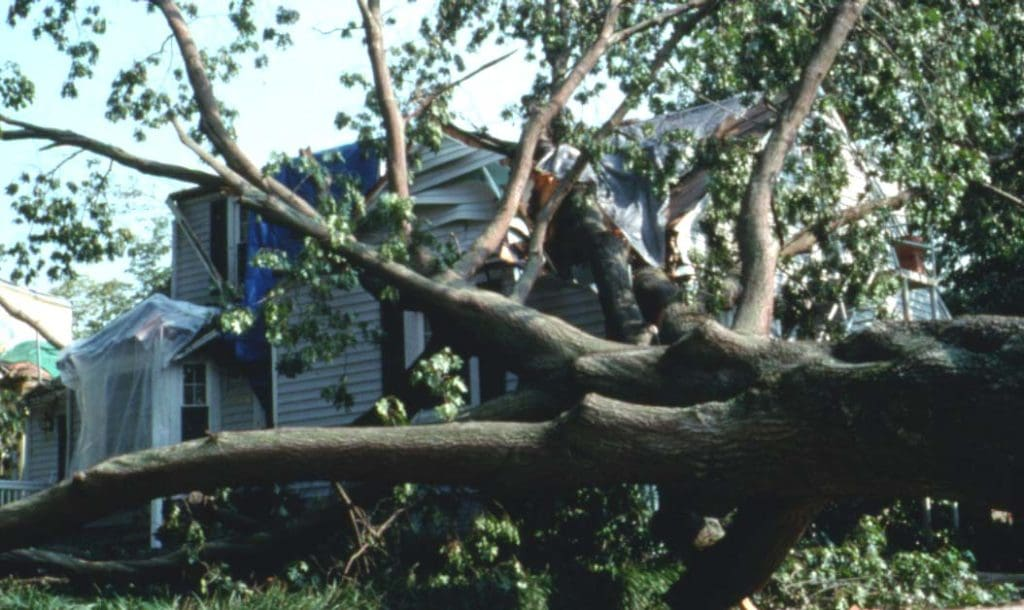
Severe weather can change the look and safety of a property in just a few hours. Strong winds, heavy rain, lightning, ice, and thunderstorms can break tree limbs, split trunks, uproot trees, and leave branches scattered across yards, driveways, roofs, and streets. When this happens, fast and careful cleanup is important. Easy Does It Tree Service provides professional storm damage tree cleanup designed to help property owners deal with damaged and dangerous trees safely.
Storm-damaged trees can create more than an appearance problem. A large branch hanging over a home can fall without warning. A fallen tree may block a driveway or damage a fence. Broken limbs can also affect power lines and create serious safety risks. Professional tree care can help identify these hazards, remove damaged material, and protect the remaining trees from additional problems.
The right response after a storm is not always to cut down an entire tree. In many cases, a tree may be saved through careful pruning and structural assessment. Other trees may be too unstable and require emergency tree removal. Understanding the difference requires experience, proper equipment, and a careful approach. That is where professional storm cleanup services can make a major difference.
Why Storm Damage Requires Professional Tree Care
Storm damage can affect trees in ways that are not always easy to see. A tree may appear stable from the ground while having cracked branches, damaged roots, or a split trunk. These hidden problems can become more serious after the storm. For this reason, property owners should avoid climbing damaged trees or attempting to remove large branches without the proper skills and equipment.
Wind damage is one of the most common causes of tree problems after severe weather. Strong wind can snap branches, tear limbs from the trunk, or push a tree sideways. Trees with weak branch unions, decay, or poor structure may be especially vulnerable. Heavy rain can also soften the soil around roots, making it easier for trees to lean or fall.
Lightning strikes can cause another type of damage. A lightning-struck tree may develop cracks, burned areas, or weakened wood. Some damage is obvious, while other issues may become visible later. Ice and snow can also place excessive weight on branches, causing them to break or bend.
Professional storm damage tree cleanup begins with understanding the condition of the tree and the surrounding property. A trained tree care professional can look for broken limbs, hanging branches, trunk cracks, root damage, leaning trees, and other hazards. This assessment helps determine whether the best solution is tree trimming, branch removal, tree stabilization, or complete removal.
Easy Does It Tree Service can be part of this process by helping homeowners address storm-related tree hazards in a controlled manner. Instead of rushing into cleanup, professional crews can focus on safety and determine the most practical way to restore the property.
Another important reason to hire a professional is the size and weight of storm debris. A large tree branch can weigh hundreds of pounds. Even a smaller-looking limb can fall with enough force to damage a vehicle, roof, fence, or person. Professional tree removal teams use appropriate tools and methods to control where branches and sections of a tree fall.
How Easy Does It Tree Service Handles Storm Damage Cleanup
After a major storm, tree cleanup often involves more than simply cutting branches. The work may include inspecting damaged trees, removing hazardous limbs, cutting fallen trees into manageable sections, hauling away debris, and cleaning the affected area. A professional approach helps make the process more organized and reduces unnecessary risks.
The first step is usually an assessment of the storm damage. The tree service needs to understand what happened and identify immediate hazards. A tree resting against a house, vehicle, or utility line requires special attention. Likewise, a tree that is partially uprooted may be unstable even if it has not completely fallen.
Once the hazards are identified, the cleanup process can be planned. Broken branches may be removed through careful tree pruning. If a tree is severely damaged or poses an unavoidable danger, tree removal may be recommended. The goal should always be to choose a solution that fits the tree’s actual condition.
Emergency tree service can be especially important when storm damage blocks access to a home or creates an immediate danger. A fallen tree across a driveway can prevent vehicles from entering or leaving. Large branches resting on a roof can increase the chance of additional property damage. In these situations, delaying professional attention may allow a small problem to become more expensive.
Easy Does It Tree Service can also help with storm debris cleanup after hazardous trees and branches have been removed. Leaves, limbs, logs, and smaller pieces of wood can make a property difficult to use. Thorough debris removal helps return the yard to a cleaner and more usable condition.
Proper equipment is another important part of professional tree cleanup. Depending on the situation, crews may need chainsaws, ropes, ladders, cutting equipment, protective gear, wood chippers, and equipment for moving heavy logs. Using the correct tools helps workers manage large branches and sections of damaged trees more safely.
Property owners should also remember that storm-damaged trees can be connected to other hazards. Power lines are a major concern. If a fallen or broken tree is touching a utility line, people should stay away from the area and contact the appropriate utility provider or emergency service. Tree crews should not treat an energized power line as an ordinary landscaping problem.
A professional storm cleanup company also understands that every property is different. A tree beside a house requires a different strategy than one that has fallen in an open backyard. The presence of fences, vehicles, landscaping, utility lines, structures, and narrow access points can all affect how cleanup is performed.
Tree Removal, Tree Trimming, and Damage Assessment
One of the biggest questions after a storm is whether a damaged tree can be saved. The answer depends on the type and severity of the damage. A broken branch does not automatically mean that the entire tree must be removed. In some cases, proper pruning can remove the damaged section while allowing the tree to continue growing.
Tree trimming after a storm should be performed carefully. Removing too much healthy growth can weaken a tree and create new problems. Professional pruning focuses on removing damaged, dangerous, or poorly positioned branches while preserving as much healthy structure as practical.
Some storm-damaged trees, however, cannot be safely preserved. A severely split trunk, major root failure, extensive decay, or extreme leaning may make removal the safest option. Tree removal is especially important when a tree threatens people, buildings, vehicles, or other valuable property.
Tree risk assessment plays an important role in making this decision. Professionals look at the tree itself as well as the surrounding environment. The size of the tree, its lean, root condition, branch structure, visible cracks, and nearby targets can all influence the level of risk.
Storm damage can also expose problems that existed before the weather event. A tree weakened by disease, insects, decay, or poor structure may be more likely to fail during a storm. Removing damaged material can sometimes reveal these underlying issues. Addressing them early may help prevent future tree emergencies.
Easy Does It Tree Service can provide a practical approach to these situations by focusing on the actual condition of the tree rather than assuming every damaged tree needs to come down. Good tree care balances safety with preservation. When a tree is healthy enough to remain, appropriate maintenance may help it recover. When removal is necessary, professional work can reduce the risk associated with taking down a large or unstable tree.
Storm cleanup can also be an opportunity to inspect other trees on the property. If one tree failed during a storm, nearby trees may have experienced similar stress. Checking branches, trunks, and root areas can help identify potential hazards before the next severe weather event.
This type of preventative tree maintenance can be valuable throughout the year. Regular pruning, removal of dead branches, inspection of mature trees, and attention to structural problems may reduce some storm-related risks. While no tree can be guaranteed to withstand every storm, proper maintenance can support healthier and stronger growth.
Protecting Your Property After Severe Weather
The period immediately after a storm can be stressful for homeowners. There may be water damage, broken windows, damaged roofs, fallen fences, and scattered tree debris. It is easy to focus on visible damage while overlooking dangerous trees and branches.
Safety should come first. Property owners should keep people and pets away from unstable trees and hanging limbs. A branch that appears stuck may fall when the wind changes or when another part of the tree moves. Homeowners should also avoid using ladders or chainsaws around storm-damaged trees unless they have the proper training and equipment.
If a tree has fallen onto a building, it is important to consider both tree and structural safety. Removing part of a tree can change the pressure on a roof or wall. In some cases, professional coordination between tree removal specialists and other contractors may be needed.
Insurance is another reason to document storm damage. Homeowners may want to take photographs or videos of affected trees and property before cleanup begins, provided it is safe to do so. Keeping records of the damage, cleanup work, and related expenses can be useful when discussing the incident with an insurance provider. Coverage varies by policy, so property owners should review their individual insurance terms and speak with their insurer about the appropriate claims process.
Professional tree service records may also help document what work was performed. A clear description of storm-related tree removal, emergency cleanup, or damaged branch removal can make it easier to keep track of the restoration process.
Storm debris removal can improve both safety and appearance. Fallen branches can hide trip hazards, damage lawn equipment, attract pests, and interfere with normal use of the property. Removing logs and branches also gives homeowners a better view of the yard and makes it easier to identify additional damage.
Easy Does It Tree Service can help property owners move from emergency cleanup toward normal property maintenance. Once immediate hazards are addressed, the next step may involve pruning remaining trees, checking for structural damage, removing deadwood, or planning future tree care.
Good cleanup should leave the property safer and more manageable, not simply remove whatever is easiest to cut. Trees are valuable parts of a landscape, providing shade, beauty, privacy, and environmental benefits. Whenever possible, healthy trees should be preserved through responsible care.
Choosing the Right Storm Damage Tree Service
Choosing a tree company after a storm deserves careful attention. Severe weather often creates a sudden demand for emergency tree removal and cleanup. Property owners may receive offers from companies that arrive quickly, but speed should not be the only factor in a hiring decision.
Look for a tree service that communicates clearly about the work needed. A reputable provider should be willing to explain the condition of the damaged tree, the recommended solution, and the general scope of cleanup. Clear communication helps homeowners understand what they are paying for and why the work is necessary.
Experience with storm damage is also valuable. Emergency tree work can involve unstable trees, large broken limbs, difficult access, and property hazards. A company familiar with these conditions is better prepared to approach the job carefully.
Proper insurance and professional practices are important considerations as well. Property owners should ask appropriate questions about insurance coverage, worker safety, equipment, and the company’s experience before work begins. Local requirements can vary, so homeowners should also confirm any permits or regulations that may apply to tree removal in their area.
Cost should be considered, but the cheapest estimate is not always the best choice. Tree removal involves significant safety risks and specialized work. An unusually low price may not include important services such as debris hauling, stump work, or complete cleanup. Getting a clear understanding of the scope of work can prevent confusion later.
Easy Does It Tree Service is a useful name for property owners looking for professional help with storm-damaged trees. Whether the job involves emergency tree cleanup, fallen tree removal, damaged limb pruning, or general storm recovery, the focus should remain on safe and responsible tree care.
A strong tree service should also understand the value of long-term maintenance. Storm cleanup is only one part of responsible property care. After damaged trees and branches are addressed, homeowners can benefit from ongoing tree inspections and seasonal maintenance. Regular care may help identify weak branches and structural concerns before the next major storm arrives.
Professional tree care is ultimately about protecting people, property, and healthy trees. A careful approach can reduce unnecessary damage while helping homeowners restore their outdoor spaces.
Conclusion
Storm damage can leave a property looking very different in a short amount of time. Broken limbs, fallen trees, damaged trunks, and exposed roots can create serious hazards that should not be ignored. Professional storm damage tree cleanup provides a safer way to address these problems and restore the property.
Easy Does It Tree Service can help property owners respond to storm-related tree problems with practical tree care solutions. From emergency tree removal and fallen branch cleanup to tree trimming and damage assessment, professional service can make the recovery process easier and more organized.
The most important step after severe weather is to put safety first. Avoid unstable trees, stay away from damaged utility lines, document property damage when safe, and seek qualified tree care when large or hazardous trees are involved. With the right approach, storm cleanup can protect your property today while supporting healthier and safer trees for the future.
